

PARKOUR
Parkour isn’t a homogeneous phenomenon. It’s more of an umbrella term for different training practices that can differ quite a lot in how and why they’re done, but they all share one common core:
Movement that incorporates the environment.
A FREESTYLE SPORT
Common definitions of parkour are often just stereotypical phrases that get repeated because people have heard them so many times. Even when you find them on platforms like Wikipedia or in encyclopedias, they often miss the reality of it. You’ll hardly find anyone in parkour training who seriously has the goal of getting from A to B as fast as possible.
If you instead look at actual training practice, it quickly becomes clear: parkour today is mostly practiced as a freestyle sport. That doesn’t mean, however, that this is the only legitimate form of parkour. The spectrum of parkour is huge and ranges from creative movement to fitness all the way to high-level athletic performance.


WHAT IS FREESTYLE ?
Freestyle sports are disciplines that don’t have a fixed rulebook. There is no predefined goal, no standard, no fixed training plan, and no clearly defined places where it has to happen. You can literally do almost anything, anywhere – and that’s a lot.
This freedom can feel overwhelming at first, especially if you come from more traditional sports.
But that’s exactly where the real value lies: you don’t just learn to teach yourself things, you also learn to feel what you actually want to do – and explore that direction independently.
Typical examples of freestyle disciplines include skateboarding, freestyle skiing and snowboarding, breakdance, tricking, freestyle diving / cliff diving (with variations like dødsing / death diving), or freestyle football.
Beyond sports, there are also related forms of expression that can be loosely placed in this direction – like graffiti or street art. What many of these disciplines have in common is the integration of the urban space or the natural surrounding environment into the activity.
As you can see: the term “freestyle” doesn’t have sharp boundaries.
“YOU ARE LITERALLY ALLOWED TO DO ALL THAT IS POSSIBLE”
SPORT OR ART?
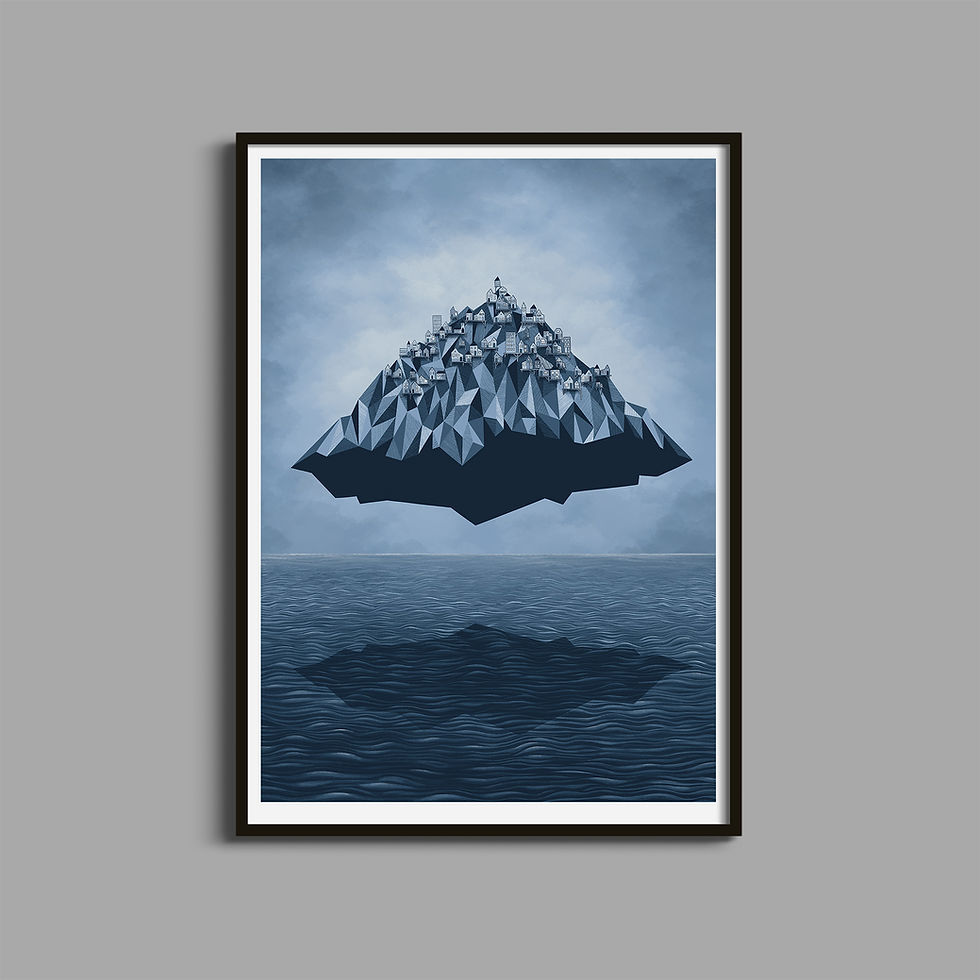
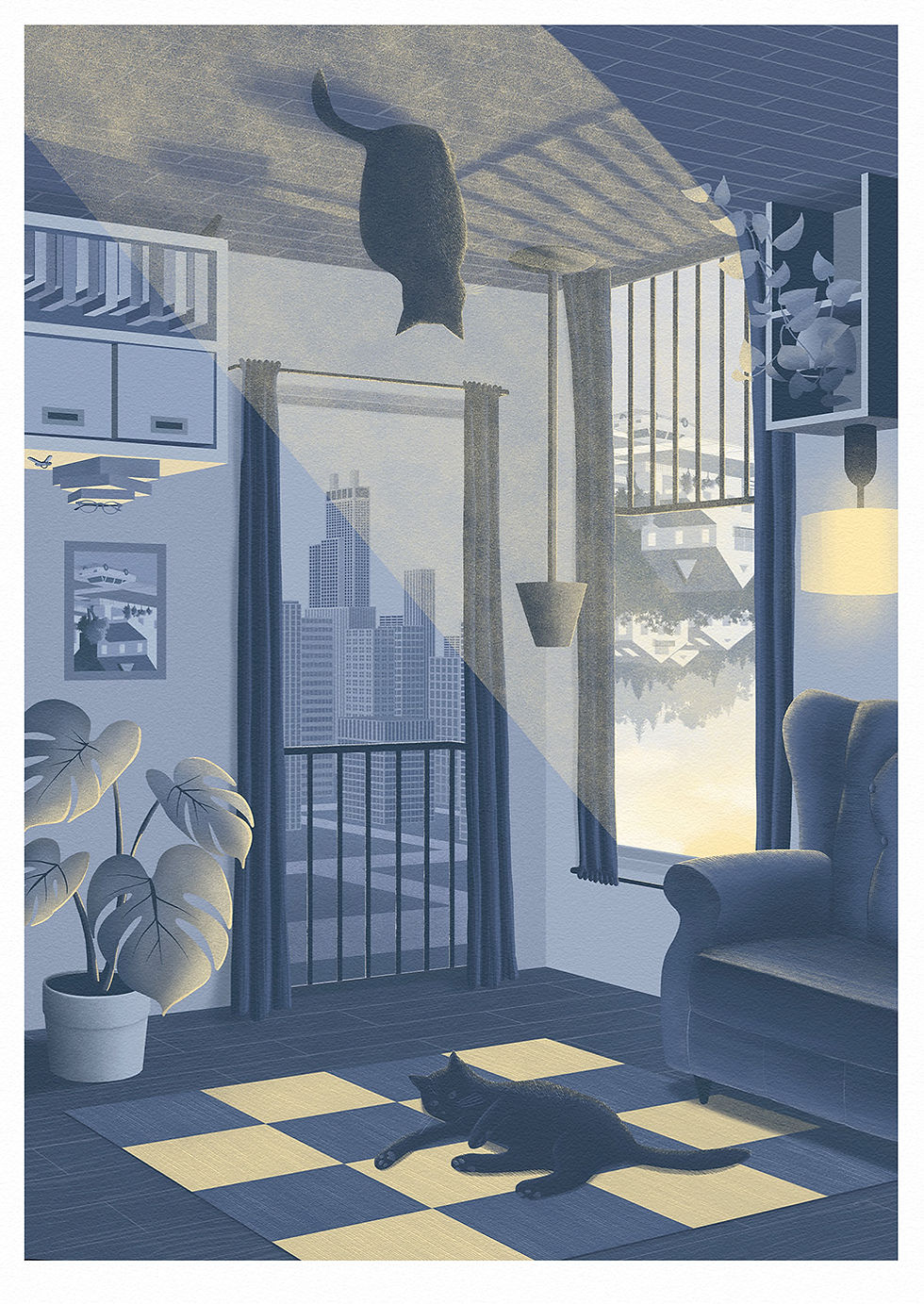
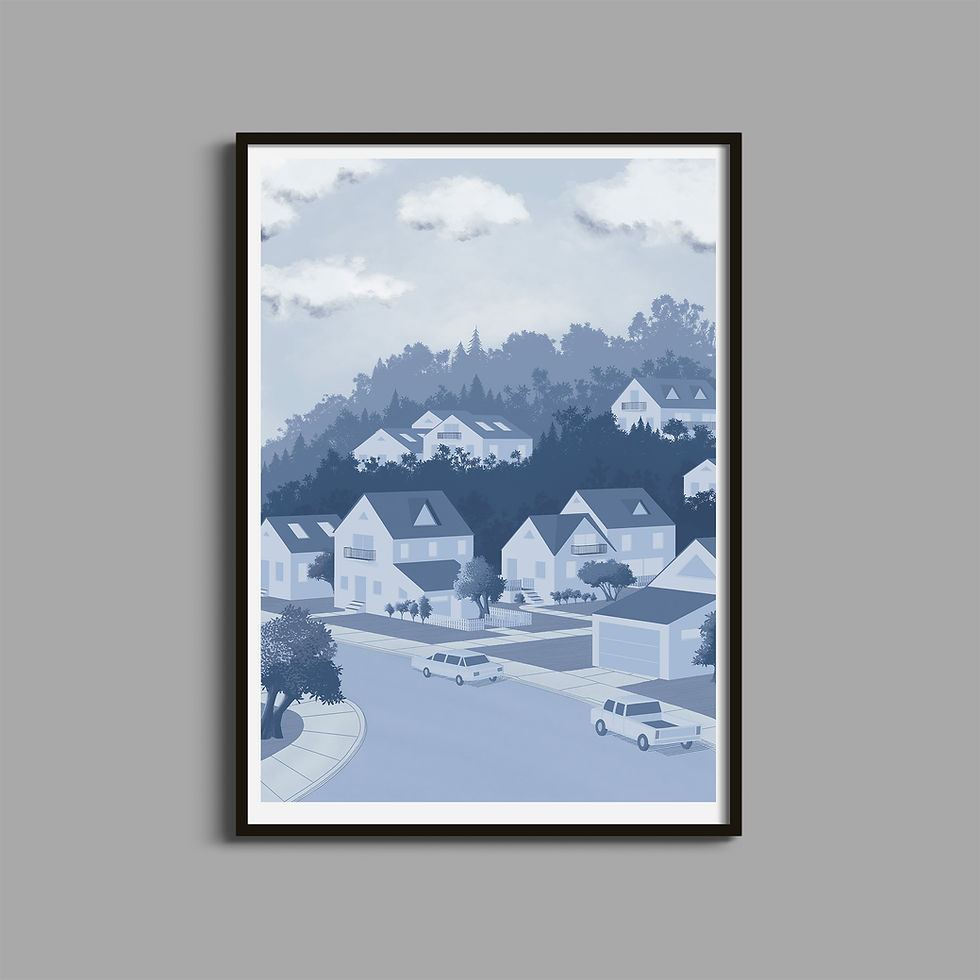
Parkour contains the athletic side of sport, but also shares something with art: complete freedom of form. This openness gives the practitioner full creative control. Movement can become a means of expression, placing parkour in the same category as arts like music, painting, or dance.
As in any art form, different directions and individual styles emerge in parkour as well – sometimes differing as much as bouldering and cliff diving, for example.
At the same time, there are also branches within the parkour scene that lean more toward structured formats and are therefore closer to traditional sport.








VIDEO CULTURE
As in most freestyle disciplines, videos are a central part of parkour culture.
Since training and filming often go hand in hand, parkour is sometimes seen from the outside as a purely social-media phenomenon.
But just like sport uses performance measurement as an important reference, every art form needs a medium of expression. For parkour – as movement – that medium is video. The relationship an athlete has with their filmed “lines” is probably closest to that of a painter with their artwork.

MATTTMA x PARKOUR
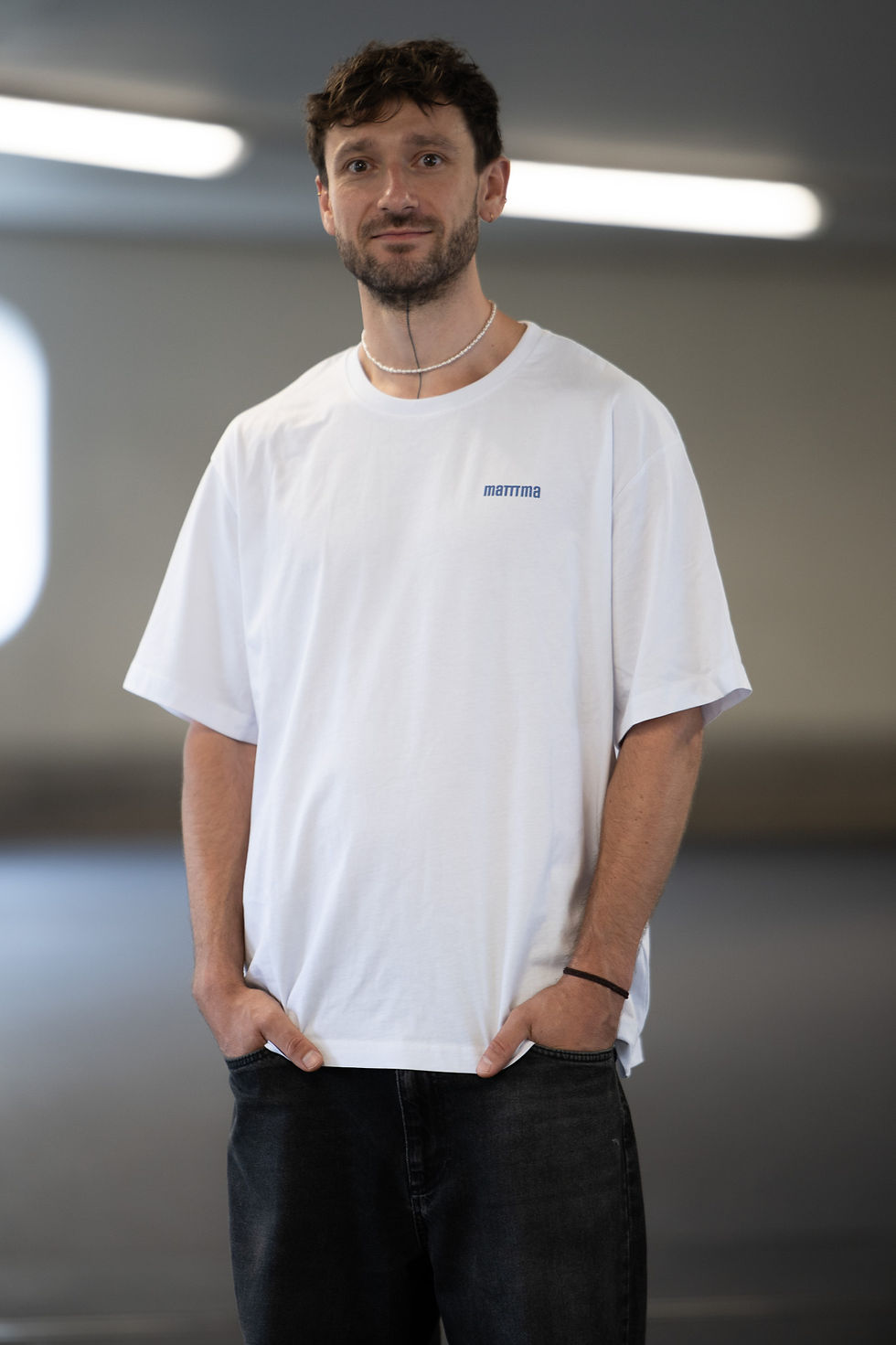
matttma started in parkour, and parkour is still a core part of the brand today.
We’re happy to be part of this scene and to actively help shape it – not only through video projects, but also through clothing, jams, and other formats.
We also aim to present a realistic image of parkour and its culture to the outside world, while at the same time making it easier for interested people to get started.


